Specialty Orthopedic & Soft Tissue Surgery
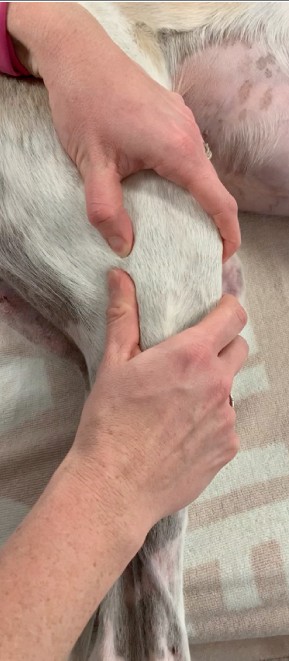
Check Out This Cranial Drawer Assessment: A cranial drawer assessment is an important part of evaluating a dog’s knee (stifle) when a cranial cruciate ligament (CCL) injury is suspected. By gently checking the stability of the joint, our veterinary team can look for abnormal movement that may indicate ligament damage.
Specialty Orthopedic & Soft Tissue Surgery In Dauphin County
Advanced Surgical Care. Personalized Rehabilitation. Better Outcomes.
When your pet is dealing with joint pain, lameness, or mobility problems, the right surgical care can make all the difference. At Paws in Motion, we’ve partnered with Dr. Kurt Michelotti, who provides board-certified surgical care in both orthopedics and soft tissue surgery.
Dr. Michelotti combines years of experience with modern surgical techniques to give every patient the best possible outcome. And because great outcomes don’t end in the operating room, our rehabilitation team is here to support your pet through every stage of recovery.
Together, we connect pets and their families with specialized surgery and dedicated rehabilitation, all with one goal: helping your pet recover well, move comfortably, and get back to their playful, active selves.
Please note: A consultation with the surgeon is required before any procedure can be scheduled.
Common Orthopedic Conditions We Treat:
From sore joints to complex injuries, we help dogs and cats move freely and live comfortably again. Our team treats a variety of musculoskeletal conditions, including:
- Joint and Ligament Injuries
- Bone and Fracture Repair
- Specialized Procedures
- Cranial Cruciate Ligament (CCL/ACL) Tears
- Femoral Head Ostectomy (FHO)
- Tibial Plateau Leveling Osteotomy (TPLO)
- Luxating Patella (Kneecap Dislocation)
- CrCL Tear
- Hip Dislocation
- Legg Calve Perthes Disease/Avascular Necrosis Of The Femoral Head
- Luxating Patella
- Complex Fracture Stabilization
- Growth Plate Injuries In Young Pets
- Non-Union Fracture Corrections
- Cranial Cruciate Ligament (CCL/ACL) Tears
- Luxating Patella (Kneecap Dislocation)
- PLO
- Lateral Suture
- FHO
- MPL Correction
More Information About These Procedures:
Cranial Cruciate Ligament (CCL) Injuries
The CCL is the dog equivalent of the human ACL, and its rupture is one of the most common causes of hind-limb lameness in dogs. Surgical options include:
- TPLO (Tibial Plateau Leveling Osteotomy): Changes the angle of the top of the shin bone so the knee stays stable without relying on the torn ligament.
- Lateral Suture Stabilization: Uses a strong suture outside the joint to stabilize the knee, often an option for smaller or less active dogs.
Medial Patellar Luxation (MPL)
Corrects a kneecap that slips out of place, which can cause skipping, intermittent lameness, and long-term joint wear.
FHO (Femoral Head And Neck Ostectomy)
Removes the ball portion of the hip joint to relieve pain from hip dysplasia, severe arthritis, or certain fractures and dislocations.
Fracture Repair
Stabilization of broken bones, offered based on surgeon availability.
Is Orthopedic Surgery Right for Your Pet?
The ideal surgical approach depends on multiple factors including your pet’s breed, size, age, activity level, and injury severity. During your consultation, our orthopedic specialists will:
- Perform comprehensive orthopedic and neurological examinations
- Review diagnostic imaging (X-rays, CT, MRI as needed)
- Discuss all treatment options, both surgical and non-surgical
- Create a personalized treatment plan for your pet’s specific needs
- Provide detailed cost estimates and payment options
Early intervention typically leads to better outcomes. If your pet shows signs of lameness, difficulty rising, reluctance to jump, or any mobility changes, don’t wait to seek evaluation.
A surgical consultation can help you understand your options, including when conservative management and rehabilitation may be appropriate. Contact us at [email protected] or request an appointment.
What to Expect: Consultation Through Recovery
- Initial Consultation: Your pet’s orthopedic journey begins with a thorough evaluation. We’ll review your pet’s medical history, perform diagnostic tests, and discuss the best treatment pathway.
- Surgical Excellence: Our state-of-the-art surgical suite features advanced monitoring equipment and sterile protocols ensuring the safest possible surgical experience.
- Post-Operative Care: Comprehensive pain management, detailed home care instructions, and scheduled follow-up appointments ensure smooth recovery.
- Rehabilitation Support: We’ll guide you through physical therapy exercises and activity modifications to optimize your pet’s return to normal function.

A Collaborative Approach to Care: Meet Dr. Michelotti
A State College native and Penn State graduate, Dr. Michelotti, DVM, DACVS, earned his veterinary degree with honors from Western University of Health Sciences. He then completed a rotating internship, a surgical internship, and a small animal surgery residency at Pittsburgh Veterinary Specialty and Emergency Center, and became a board-certified Diplomate of the American College of Veterinary Surgeons in 2021. Trained in soft tissue, orthopedic, neurologic, and minimally invasive surgery, he loves the variety and complexity of small animal surgery and is passionate about helping pets get the specialized care they need.
Supporting Your Pet Beyond Surgery
Surgery is often just the first step in recovery. Veterinary rehabilitation helps patients regain strength, coordination, mobility, and confidence after a procedure, and it can make the healing process smoother for both pets and their people.
At Paws in Motion, every rehabilitation plan is built around your pet’s procedure, healing progress, and goals. Depending on your pet’s needs, post-operative care may include:
- Underwater treadmill therapy to rebuild strength with less stress on healing joints
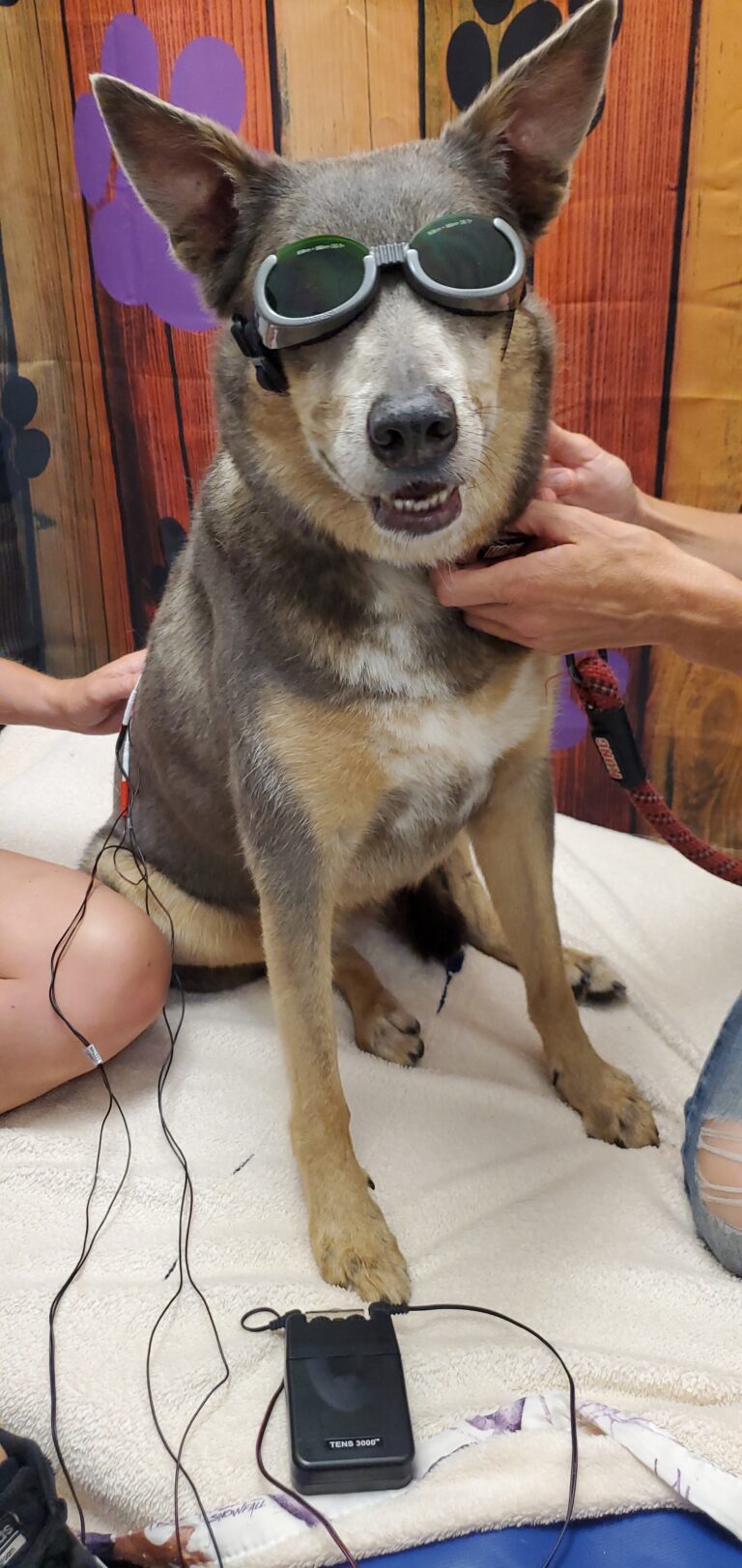
- Laser therapy to support comfort and healing
- Therapeutic exercises for strength, balance, and range of motion
- Manual therapy and stretching
- A home exercise program you can do between visits
Our certified rehabilitation veterinarians and technicians work alongside the surgeon’s treatment plan, so your pet’s care stays coordinated from consultation through recovery.
We'd Love To Help Your Pet!
A surgical consultation can help you understand your options, including when conservative management and rehabilitation may be appropriate. Contact us at [email protected] or request an appointment.